ไทย
ไทย 中文 (中国)
 العربية


Abdominal Liposuction: Benefits, Key Considerations, and Post-Procedure Care
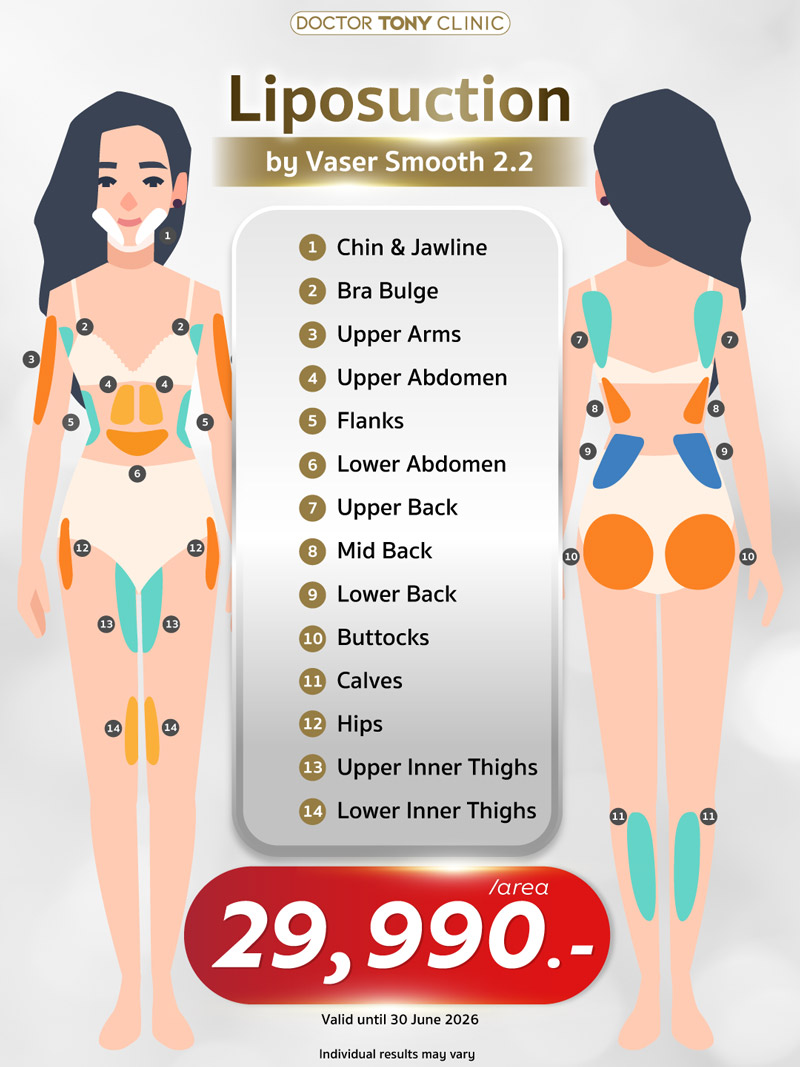
Many individuals struggle with fat accumulation in the abdominal area, which can be caused by genetics, stress, dietary habits, or lack of exercise. This excess fat not only affects body proportions but can also impact self-confidence in daily life. Abdominal liposuction has thus become a popular choice for targeted, rapid, and safe fat removal. Specifically, VASER Smooth 2.2 technology utilizes ultrasound energy to effectively break down fat cells, allowing for precise body contouring and immediate improvement in appearance.
What is Abdominal Liposuction?
Abdominal Liposuction with VASER Smooth 2.2 technology is a surgical procedure designed to remove localized excess fat from the abdominal area. It utilizes high-frequency ultrasound waves to emulsify deep-layer fat cells, breaking them into tiny particles. This method results in a smoother abdominal contour and enhanced confidence in one’s physique.

Primary Causes of Abdominal Fat Accumulation
- Genetics: A family history of central obesity (“apple-shaped” body type) or abdominal fat accumulation increases one’s predisposition. Certain genes influence metabolism and fat storage patterns, making some individuals more prone to storing fat in the abdomen.
- Stress: When the body experiences stress, it releases the hormone cortisol. Cortisol promotes energy storage, particularly as visceral fat in the abdominal area. Individuals with frequent stress may experience increased appetite and cravings for sugary or fatty foods, further contributing to fat accumulation.
- Dietary Habits:
- High consumption of sugar-sweetened beverages, baked goods, and sweets readily converts to stored fat.
- Foods high in trans fats (e.g., fried foods, fast food) and sodium (e.g., overly salty foods, instant noodles) can promote water retention and increased fat storage.
- Consuming more calories than the body burns is a fundamental factor leading to weight gain, often first noticeable in the abdomen.
4. Lack of Physical Activity: A sedentary lifestyle lowers metabolic rate. Excess calories from food are stored as fat, with the abdomen being a primary storage site.

Types of Abdominal Fat: How Do They Differ and Which Can Be Removed?
Abdominal fat can be categorized into two main types, each with distinct characteristics and removal methods:
Visceral Fat
- Located deep within the abdominal cavity, surrounding internal organs like the liver, pancreas, and intestines.
- Can be reduced through exercise and dietary changes.
- If self-management is insufficient, medical interventions like weight loss injections may be considered under strict medical supervision to control appetite. These are not recommended for long-term, unsupervised use due to potential severe side effects.
Subcutaneous Fat
- Located just beneath the skin of the abdomen, forming a layer that can be pinched.
- Can be reduced through exercise and diet, but this often takes considerable time and may not fully eliminate stubborn fat.
- For targeted and efficient removal, Liposuction is an effective option.
- Liposuction helps create a tighter abdominal profile and improves body contours more precisely than diet and exercise alone.


Benefits of Abdominal Liposuction
Abdominal liposuction is a solution that directly addresses belly fat and excess tissue, resulting in a flatter, tighter abdomen. The procedure involves very small incisions (3-5 mm), minimizing visible scarring. It enhances self-confidence and offers relatively quick visible results.
Key benefits include:
- Immediate reduction of excess abdominal fat.
- Correction of disproportionate body contours.
- Potential for creating defined features like the Adonis Belt (“11-line”) or simulated Six-Pack abs.
- Firms and tightens the abdominal skin.
- Minimal scarring due to small incision size.
- Boosts confidence in clothing choices and daily activities.
Potential Side Effects After Abdominal Liposuction
- Pain, swelling, and bruising in the initial post-operative period.
- Numbness or tightness in the treated skin area.
- Dizziness from anesthesia.
- Small surgical scars (though these typically fade over time).
- Risk of seroma formation (fluid accumulation) or firm lumps if post-care instructions are not properly followed.

Who is a Suitable Candidate for VASER Smooth 2.2 Liposuction?
- Ideal candidates for VASER liposuction typically include:
- Individuals with a significant amount of fat or thick fat layers.
- Those concerned about their body shape seeking improved contour and tightness.
- Individuals who, despite consistent diet and exercise, struggle to reduce fat in specific areas.
- Those aiming to permanently remove fat from specific areas, without the need for fat transfer to other body parts.


Pre-Procedure Preparation
1. Fasting Guidelines:
- Local Anesthesia: Fast from food for 3 hours; clear fluids are permissible, but avoid tea, coffee, and milk.
- General Anesthesia: Fast from all food and fluids for at least 8 and 3 hours, respectively.
2. Medication and Substance Restrictions:
- Discontinue blood-thinning medications (e.g., Aspirin, Warfarin) as advised by your doctor.
- Avoid supplements that affect bleeding, such as Fish Oil, Vitamin E, and Ginseng.
- Refrain from smoking and alcohol for at least 1-2 weeks prior.
3. Personal Hygiene:
- Inform the doctor if your menstrual period coincides with the procedure date.
- Remove contact lenses, nail polish, and avoid makeup and lotions on the procedure day.
- Shower, wash hair, and shave the treatment area to reduce infection risk.
4. Medical History Disclosure:
- Provide your doctor with a complete medical history for risk assessment and treatment planning.
- Submit required health check results (e.g., blood tests, blood pressure, blood sugar) at least 3 days before the procedure.
5. Logistical Planning:
- Plan for at least 1 day of rest post-procedure.
- Avoid long-distance travel or extended flights immediately afterward.
- If undergoing general anesthesia, arrange for someone to accompany you home; do not drive yourself.
6. Compression Garment:
- Essential for reducing swelling, contouring the skin, and preventing irregularities.
- Choose a garment with good elasticity and easy fastening (e.g., hooks, zippers).
Note: At Doctor Tony Clinic, a standard compression garment is provided immediately after the procedure, along with proper wearing instructions.
7. Recovery Room and Post-Procedure Care:
- Local Anesthesia: Brief rest in the recovery area before discharge.
- General Anesthesia: 2-3 hours of monitored recovery under close nurse and physician supervision.
- Be cautious of clinics that do not allow consultation with the doctor prior to payment or omit pre-operative health checks.
8. Understanding Side Effects and Aftercare:
- Be aware of potential side effects like swelling, bruising, tightness, or seroma.
- Recovery can be supported by following all instructions and utilizing recommended aftercare programs, such as lymphatic drainage massage.
9. Realistic Recovery Timeline:
- Days 1-7: Significant swelling and bruising.
- Week 2: Swelling subsides; contours begin to settle.
- Months 1-3: Skin continues to tighten.
- 6+ Months: Final, stable results become clearly visible.
10. Choosing a Reputable Clinic:
- Ensure you consult directly with the physician beforehand for personalized assessment, treatment planning, and risk mitigation.


Post-Procedure Self-Care Guidelines
- Medication Adherence: Take all prescribed antibiotics to completion to prevent infection. Use pain relievers and anti-inflammatory medication as needed for discomfort.
- Proper Wound Care: Clean the incision sites every 1-2 days using betadine-swabbed gauze and apply a new sterile dressing. Avoid waterproof bandages that can trap moisture.
- Adequate Hydration: Drink at least 2 liters of water daily to help flush out anesthesia and reduce dizziness. Electrolyte drinks are acceptable, but avoid excessive fluid intake which may worsen swelling.
- Nutritious Diet: Focus on high-protein foods (fish, eggs, legumes, whole grains). Avoid raw, fermented, and very salty foods for one month. Limit fatty, fried, and sugary foods to prevent new fat accumulation.
- Avoid Smoking and Alcohol: Refrain for at least one month, as they can impede healing and increase infection risk.
- Caution with Medications/Supplements: Avoid substances that slow blood clotting (e.g., Aspirin, Ibuprofen, Vitamin E, Fish Oil, Ginseng, Ginkgo Biloba) for two weeks. Safe supplements may include Vitamin C and B-Complex.
- Keep Incisions Dry: Sponge bathing is recommended initially. If showering is necessary, cover incisions securely with waterproof bandages and remove them immediately afterward.
8. Consistent Compression Garment Wear:
- First 24 hours: Wear continuously.
- Days 1-7: Wear 18-20 hours daily; may remove for 30-60 minutes every 4-6 hours.
- Months 2-3: Wear 12 hours daily, or as directed by your doctor.
- Wearing the garment helps reduce swelling, minimize skin wrinkling, and promote skin retraction.
9. Maintain a Clean Recovery Environment: Rest in a clean, dust-free, and mold-free space, especially during the first 2-3 days which carry the highest infection risk.
10. Monitor for Complications: Contact your doctor immediately if you experience:
- High fever
- Progressively worsening pain
- Increased swelling, redness, or warmth at the incision sites
- Chest pain or difficulty breathing
11. Gentle Movement and Light Exercise: Walk gently every 1-2 hours during initial recovery to promote circulation. Light exercise can typically be resumed after 2 weeks. Strenuous exercise and heavy lifting should be avoided for at least one month.
12. The Critical First 14 Days:
- Days 0-1: Wear the compression garment at its tightest setting continuously to control bleeding and minimize dizziness risk.
- Days 1-7: Peak swelling period; maintain continuous garment wear and monitor sodium/fluid intake.
- After Day 7: Swelling begins to decrease as the body expels excess fluid; continued garment wear is crucial for optimal results.


Frequently Asked Questions (FAQs) About VASER Liposuction
❖ Are the results of VASER liposuction permanent?
Approximately 60% of the fat cells in the treated area are permanently removed. While remaining fat cells can still expand if you gain significant weight, they will not fully regenerate. Maintaining a stable weight through diet and exercise minimizes the chance of fat returning.
❖ Should I choose “Abdominal Liposuction” or a “Tummy Tuck”?
If your primary concern is excess fat with relatively good skin elasticity → Liposuction may be sufficient.
If you have significant excess, loose skin and/or separated abdominal muscles (diastasis recti) → a Tummy Tuck (Abdominoplasty) is likely the more appropriate procedure for comprehensive results.
❖ Is everyone a candidate for VASER liposuction?
While many are, individuals with certain medical conditions (e.g., uncontrolled diabetes, heart disease, immune disorders, circulatory problems) must undergo a thorough medical consultation first, as they carry higher risks of slow healing and infection.


Conclusion
Abdominal liposuction with VASER technology offers more than just fat removal; it is a method for reshaping the body, tightening the skin, and boosting confidence for those concerned about their proportions. However, diligent post-procedure care, combined with a balanced diet and appropriate exercise, remains crucial for maintaining long-lasting, aesthetically pleasing results. Therefore, for individuals seeking solutions for stubborn belly fat or disproportionate contours, liposuction can be an effective option when performed under the supervision of a qualified and experienced medical professional to ensure the highest standards of safety.